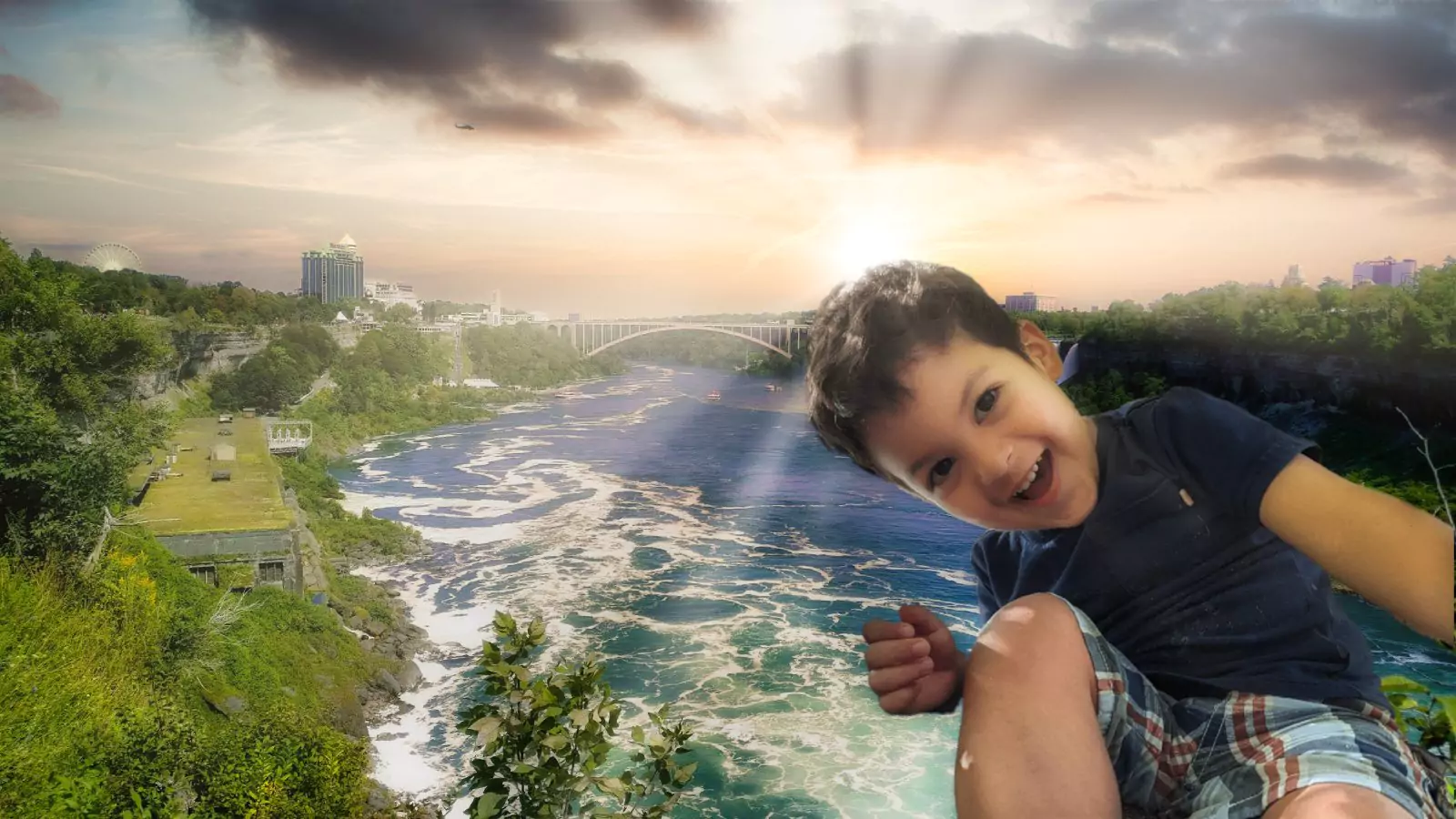
Before arriving at our new home, we spent a month in Chicago hanging out with David, Debra and Bob, preparing for our new life in North America.Our friends, who knew that we were traveling with what fit in two large and two small suitcases, gave us many things, dishes, other belongings and winter clothes, even a bicycle on which during that month I moved from one place to another taking advantage of the pleasant summer weather.
It was four weeks of excitement and anticipation for what would await us on the other side of the northern border.A month that for the first time in a long time felt like such, and not like the previous ones, in which time passed in slow motion.We were far from the people we loved, but we were also far from the still lingering ghost of Diana and my unfortunate encounters with yagé.But, above all, far from the uncertainty about our future.
Despite the recentness of my mental health crises, being in the United States I felt freed from that internal pressure to heal my soul, as if the person who lived that nightmare had stayed in Colombia and I was someone different, barely sharing their memories.Our days passed between meetings with people for whom yagé, tobacco, liberation ceremonies and internal work were completely unrelated topics.
That time of fasting from spiritual topics was a balm for my mind.The only book I read in Chicago had nothing to do with the topics I used to study in Colombia, but was a guide to imaginary trips through the United Kingdom during the Middle Ages.There were no talking circles, but instead we visited restaurants and attended the famous 2017 Lollapalooza festival.
Living with ease in mundane life served as therapy to ward off dark thoughts and episodes of unfounded fear, to which I had become accustomed for almost a year.
Finally, the long-awaited date of our trip to Canada arrived.We had arrived with four suitcases, but after a month of shopping and gifts, we now had enough belongings to fill a mid-sized van to the roof.Fortunately, our friend Bob offered to haul it all to our new home in his old Ford Escape, so on August 12, he and I hit the road for the north country.Paula and Luciana would travel by plane the next day.
They were hours of driving with good weather, beautiful landscapes and, as usual with Bob, educational conversations about history, culture and politics.Through the Ford window I saw Detroit for the first time, the city of Robocop and General Motors, and a few minutes later, we crossed the tunnel that leads to the city of Windsor in the province of Ontario.
A kind blonde-haired lady stamped my passport and handed me a document with official letterhead and embossed seal, certifying my new status as an international student, while welcoming me to Canada.We continued the route dominated by wide meadows planted with wheat, corn, strawberries and wind towers, and we only stopped once more, to have a coffee at Tim Horton's, the iconic Starbucks of the popular class in Canada.
A little further on, the industrial parks and wide avenues confirmed that we were approaching the most populated city in the country.Eventually, the four-lane highway transformed into a 12-lane anaconda, which after a couple of confusing turns offered us the imposing view of the famous “CN Tower” with its 553 meters high and its panoramic observation deck in the shape of a flying saucer.To the right of the highway, I could see, among the numerous apartment towers and modern office buildings, the blue of Lake Ontario, over which the sun was beginning to approach the horizon line.
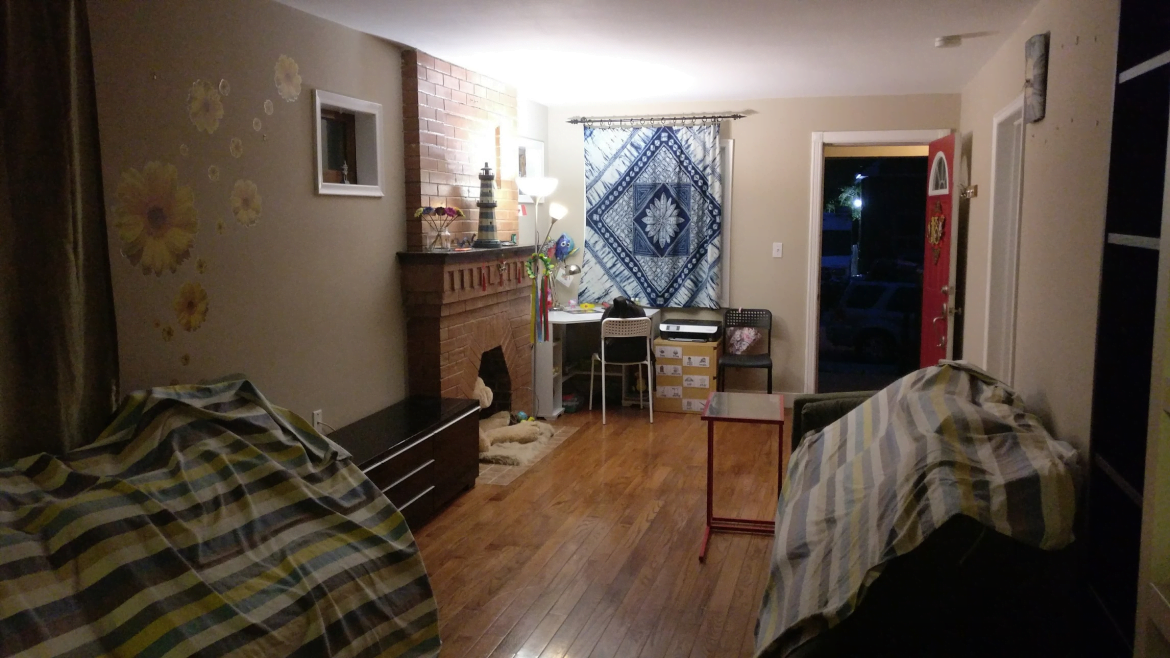
Bob and I were tired from the long trip so we postponed the plan to visit the city center and instead headed towards Scarborough, the municipality adjacent to Toronto that would become my new place of residence.We had dinner at a small French restaurant we found along the way and just before the last glow of the day faded we arrived at my new home at 1 Kalmar Avenue.I ascended the old cement steps at the end of the front garden, until I reached the cozy porch of the house.There I stopped for the first time in front of that red door, through whose threshold, for the next almost three years, my little family of three would find refuge, which would later become four and five until it became too small to house all the love that we came to sow and see grow among maples and birches.
That first night in our little house in Birch Cliff – which was what our new neighborhood was called – was also the first time I experienced an episode of anxiety in Canada.Bob was exhausted after driving most of the way from Chicago and I took shelter in what would become Luciana's room.I lay down on the mattress there and soon felt the familiar visitation of dark thoughts, unfounded fears and the resulting agitation of my breathing, palpitations and cold sweat.
I was cherishing the dream that I longed for for so long, but I still did not have my beloved women with me;Anything could damage happiness before it is achieved.In a few hours Paula and Luciana would fly from Chicago and I couldn't rest easy until they were safe by my side...
– What if the danger for them was not in the air but in me?
I chased away the disgusting thought with a deep inhale and a grimace of displeasure.Then I closed my eyes to meditate until sleep dragged me until dawn.
The day arrived and Paula and Luciana landed safely at Toronto's Pearson International Airport.Bob and I went to receive them and a triumphant hug in the international passenger arrival area of Terminal 1 began the adventure of the rest of our lives.
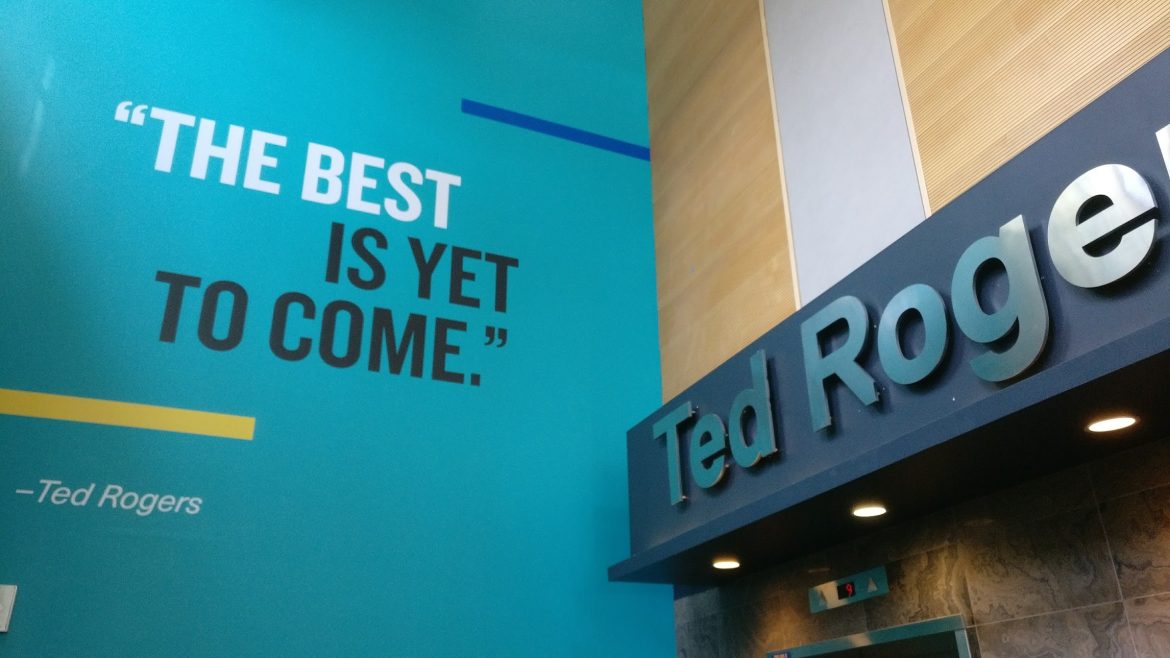
A few days later I started my classes at the Ted Rogers business school at what was then called Ryerson University, now Metropolitan University of Toronto.During my academic registration paperwork, a situation emerged that added one more “miracle” to the list of providential events that seemed to outline our destiny: I had enrolled in the Master of Business Administration – MBA part-time.It had to be that way so I could continue working for David while I finished my studies, but Gloria, the program administrator, warned me that this had been a mistake: international students could only opt for the full-time version.
My application had passed all the filters without anyone noticing that I was not eligible for the program I enrolled in, not even when they admitted me and formalized my enrollment remotely, it caused concern that I was the only one admitted as a part-time student.But I was already there and the only alternative I had was to migrate to the full-time program.
– "If you want, you can enroll in the minimum number of credits required by the Ministry of Education to consider yourself a full-time student, but I do not advise you to do so. This is a serious matter, doing an MBA will require all your time and energy, if you take a few credits, you will be here for 2 or 3 years watching your classmates graduate and get the best jobs."Gloria told me with a solemn air.
– "I understand, but the reality is that I don't have money to support myself and my family if I don't work while I study. I think I'll have to accommodate myself" – I told him confidently, resorting to the infallible monetary argument.
Then Gloria opened her eyes and hardened her tone:
– "Well, solve it, my friend! The banks here lend money, the families help, the wife can go to work. What is most valuable about this expensive academic program is everything that happens here around the face-to-face courses and that is what the full-time students experience. The part-time students only come for a degree, you don't come for that, you come to compete for the best positions with very well-prepared people from all over the world. I am also an immigrant and I like to see mine succeed, not stay in the same place.“lot.”
And with that, I signed on to the MBA program with an emphasis on technology management and innovation full-time, without having the slightest idea how I was going to pay for the expensive semesters that separated me from the valuable degree.
Still, completely ignoring my fears, that shadow companion that threatened to leave me breathless, I called David to tell him that I would have to quit my job because starting next week I would have to attend university every day and at night sit down to write essays, study business cases or prepare presentations.
David listened to me carefully and after a moment of silence, he suggested a new plan:
– "Don't worry, keep working in the time you have left, I know you need the money. I'll be in charge of managing our client when you're in class. If anyone is capable of doing both things, it's you."
Since our arrival in the country of hockey and maple syrup, I could see signs of everything that had excited me about living there: the colorful autumn still offered sunny days and temperatures that were familiar to me, having lived almost my entire life in cold Bogotá.But the most important thing was that the chaos and constant political animosity of Colombia, or the United States, seemed nonexistent in Canada.Toronto appeared to me to be quiet, friendly, clean, organized and, compared to Bogotá or Chicago, extremely safe.
A couple of weeks after our arrival in Toronto, international news reported a new random massacre in the United States.This time, 60 innocent people lost their lives at the hands of an alienated psychopath stationed on a high floor of the Mandalay Hotel in Las Vegas.The lone wolf, as the press called him, fired hundreds of high-caliber bullets into the crowd enjoying a country music concert, also injuring more than 400 people at the event.
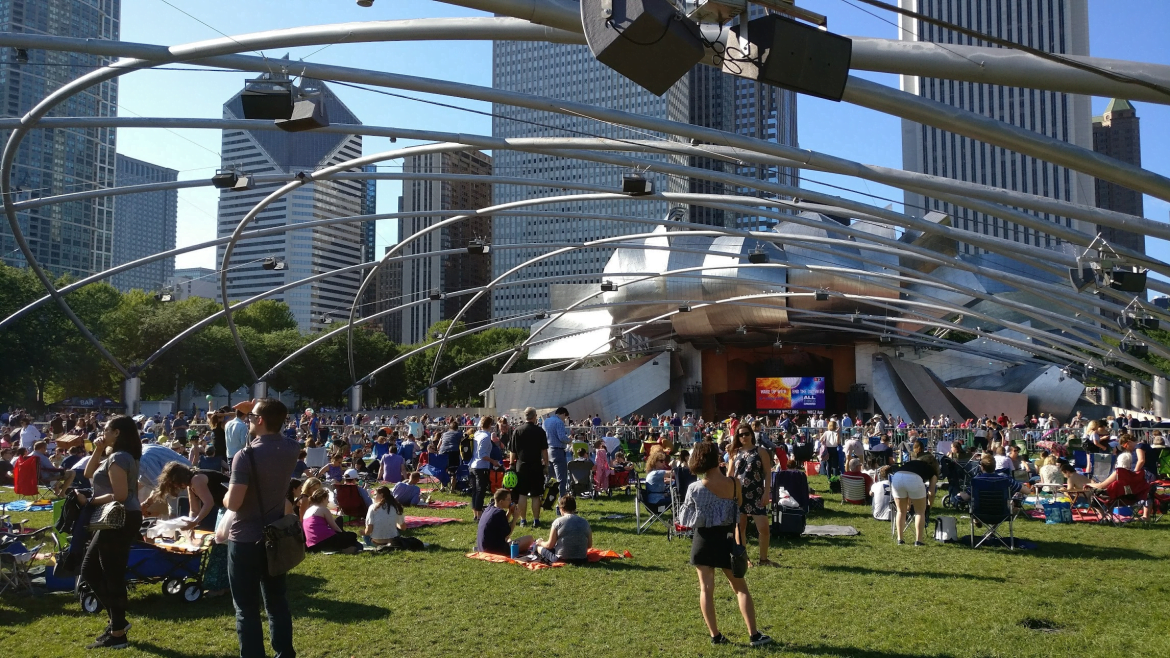
A few days after those events, David wrote to me telling me that he had heard on the news that before the massacre, the killer booked a room in a hotel overlooking Grant Park in downtown Chicago.Apparently, he had his eye on a second music festival in case his operation in Las Vegas became difficult.That second festival, where he had been able to execute his monstrous attack, was the Lollapalooza festival that Paula, Luciana and I unsuspectingly attended a few days before leaving the United States.
That new information made me doubly grateful that my work visa applications in that country were rejected.America – as its citizens call it – with all the admiration and affection it aroused in me, suffered in different, but equally harmful, ways from the social illnesses that motivated me to leave Colombia.Canada, on the other hand, seemed a haven of peace, inclusion and civility without the chaos and constant feeling of insecurity that, under my recent state of paranoia, had become unbearable for me both in Colombia and in the United States.However, reality held a couple of unpleasant surprises for me.
One morning, while pedaling to my university, I noticed a sudden movement of a truck a few blocks in front of me.When I approached, there was already a group of people trying to assist a cyclist who was lying on the ground.I dismounted my bicycle and went over to see if I could help with anything, but I judged that due to the amount of blood coming out of the ears, nose and mouth of the man who was already unconscious, there was not much that could be done for him.
I returned to my path when I heard from a passerby that the emergency services were about to arrive.Unexpectedly, the close presence of death appeared to me again, fueling my most powerful fears: That guy on the floor could have been me, had I left my house a couple of minutes earlier.The image of that unfortunate man, who did not seem to be more than 60 years old, accompanied me for many days, although I must say that it forced me to reinforce the precautions that, as a regular cyclist, I frequently overlooked.
A few days later, the relatives of the accident victim, who did not make it to the hospital alive, installed a memorial at the intersection where the events occurred: they painted his bicycle white and installed it next to the post on that corner, along with a photo of the deceased cyclist and a beautiful arrangement of flowers.That gentleman's smile became a daily sight in my life and a reminder – as if I needed it – of how ephemeral life is, even living in a country as safe as Canada.
I later learned that this was only the third fatal accident involving a cyclist in Toronto in the past 12 months.A ridiculous figure compared to the more than 60 cyclists on average who die in Bogotá each year due to traffic accidents.That is, a number of deaths equivalent to a Las Vegas massacre in Bogotá every 12 months, only among cyclists, of which I was a part until shortly before.
With this reflection I tried to anesthetize my fear of death, reaffirming myself in the idea of having moved to a country where I could feel safer.But a sad event a few months later was responsible for disrupting that narrative.On April 23, 2018, while I was in class, a 25-year-old man with a history of mental instability and social resentment, particularly against women, whom he blamed for his so-called “involuntary celibacy,” accelerated a van he had rented hours earlier along the sidewalk of a populous section of Toronto, hitting 26 pedestrians who were enjoying a sunny afternoon after lunchtime.
11 of those victims died on the spot or while receiving medical care in what became known as the Toronto van terrorist attack.Among those who died that afternoon was Ann Marie D'Amico, a young graduate of the same university where I was doing my MBA, so I was soon able to see a new memorial in my daily routine.This time, with a photograph of the cheerful financial analyst, victim of the irrational hatred of a misfit, and again a beautiful arrangement of flowers of many colors.
There was no way to escape the blow of reality: death is an invisible companion, present in every moment of life, giving it meaning and perspective.Even living in one of the safest cities in the world did not subvert this reality, but, on the contrary, made it more forceful.In Colombia, it is common to explain the ominous persistence of fatality as the result of social injustice or the lack of a strong hand from the State, due to poverty or corruption, due to recklessness or lack of civility;But in Canada, where none of this is part of the concerns of its inhabitants, it seems even more difficult to find explanations.Death simply is.
Either way, my family and I were adjusting well to our new routines.I felt that I fit well into the professional mold of my career and was excited by the prospect of finding a sophisticated and modern place to develop my skills and new knowledge.For Paula on the other hand, the adaptation was taking more time and more effort than for me.She missed her family, her friends, the food and our favorite places in Colombia and I tried to help her as much as possible so that she enjoyed our new life as much as I did.
Fortunately, thanks to her admirable empathy and ease of making friends, Paula soon began to forge a small community of Colombian friends with whom they supported each other, in addition to some international friends she made in her English classes and the jobs she held to help with the family economy during those days.
I also made some friends at the University, mainly Latin Americans, whom I integrated into our new social circle and it was not long before our small chalet became a place for meetings, barbecues and a couple of talking circles like the ones we did in Colombia.
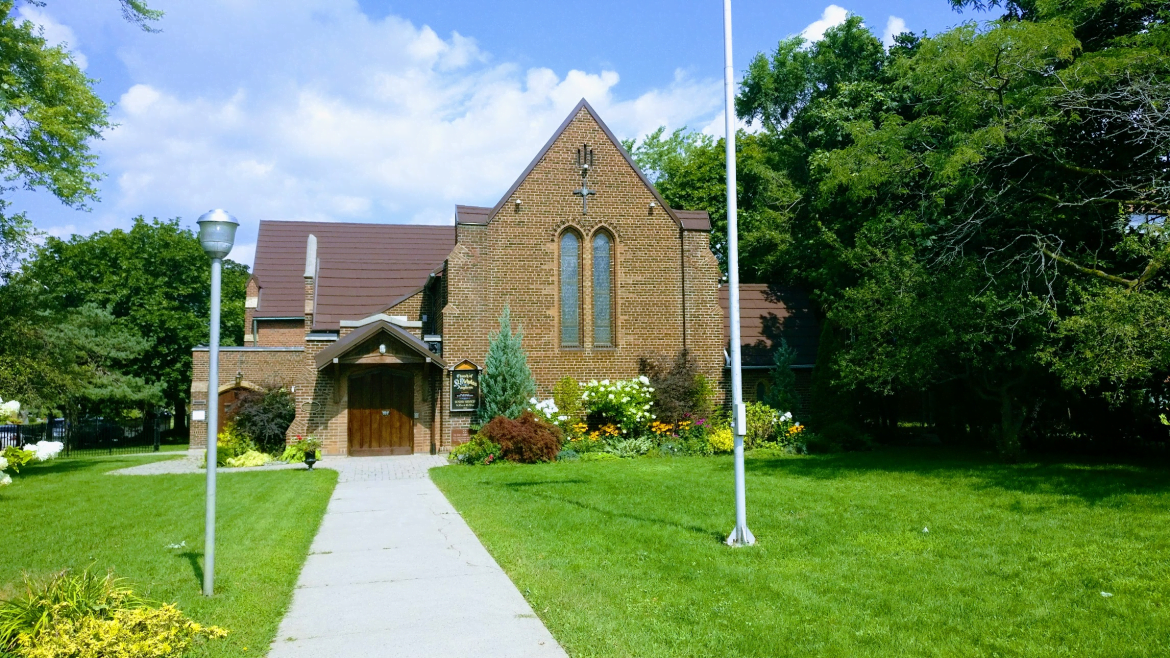
For some time I also tried to find a community of spiritual seekers with whom we could share our ancestral knowledge and perhaps learn new practices.I tried contacting the owners of a shamanic goods shop we visited in the quaint Kensington Market downtown, but never heard back.I also tried through a holistic massage and meditation center near our house, but it was more of a yoga club than anything else.Finally, we managed to integrate – to some extent – into the local Anglican church in our neighborhood.
That community, primarily made up of seniors, welcomed us with open arms and included us in many of their activities including coffee and cookies on Sundays after the service, bazaars, children's activities, and the annual Thanksgiving dinner.I did not overlook the irony of ending up attending a religious service, very similar to the familiar Catholic mass, after my long path into esotericism and rejection of religion, but it was there that they opened the doors for us and made us feel welcome into the community.We will always be grateful to Canon Janet Read-Hockin, Reverend Ian, Suzanne and all the other members of the small parish.The church of Saint Nicholas in Birch Cliff was the first space for spiritual gathering that we had in Canada.
My anxiety episodes were becoming less intense and frequent, but the idea that there was a lurking evil within me, capable of erupting at any moment and causing suffering, continued to torment me.So I decided to take advantage of the psychology service that the university offered free of charge to its students and started the therapy that the psychiatrist at the Monserrat clinic suggested to me almost a year ago in Bogotá.
I attended a total of five sessions, which the psychologist conducted using the traditional method of exploration through questions about my social, family, and personal background.I told him about my relationship with my father, the abuse I received from him during my childhood, my panic over the insecurity in the poor neighborhoods of Bogotá in which I lived during my high school years and many details about life in Colombia in the midst of a fratricidal war, whose supposed end in 2016 led to the overflow of the country's political animosity, sadly reflected in the triumph of the “No” to the peace agreements with the FARC guerrilla of theplebiscite of that year.
Somewhere in my story, deviating from her conventional practice of listening and asking questions so that I myself could reach the important conclusions, the psychologist interrupted me and said:
– “All those things that you experienced are not normal, it catches my attention that you talk about the victims of the war in your country as if you were not one of them, but what brought you to the consultation shows traits of post-traumatic stress, similar to what I have found in other students who arrived in Canada as refugees from countries at war.”
I found it curious that just a few days after that revealing diagnosis, I found an article on Twitter from a Colombian news outlet that talked about a study that showed the relationship between physical punishment of children and the incidence of mental illnesses in adulthood.Contrary to logic, a good number of Twitter users who commented on the article criticized the study and defended the supposed virtues of physical punishment as “necessary” to correct the most harmful behaviors of children and prevent their eventual transformation into criminals.Several of these users commented with pride how having received legendary “muendas[1]” did not leave them traumatized and instead had helped them become “good” people;a belief that I also shared for a long time.
The causal relationship between a culture of violence within the home and the political and social violence that Colombians have always suffered seemed plausible to me, to say the least.I didn't need to delve into the numerous studies that demonstrate this harmful feedback between violence against children and violence in adulthood to swear never to mistreat my daughter or accept or use violence as a means to achieve any end, no matter how laudable it may be.
As happened before with my diagnosis of Obsessive Compulsive Disorder, understanding that my mental illness was not something so atypical, much less caused by some ancestral burden of my lineage, but rather one of the many consequences of the violence that was entrenched in my country, helped me clarify my way of understanding myself and treat myself with more compassion and patience.
During the following months, focused on my studies and enjoying my new life in Canada with Paula and Lucy to the fullest, I noticed that the dark moments of my life continued to fade more and more.Curiously, I also began to miss less the shamanic activities that I thought would be what I would miss most about Colombia.On the other hand, Paula and I found ourselves more and more convinced that it was the right time to complete our family in the way we had asked: by bringing our second daughter or our second son.
We were going through a very good time thanks in part to my improved mental health but also to Paula finally feeling more comfortable in Canada.Furthermore, we had received a visit from my parents and I had obtained an internship at the most prestigious bank in the country.On the other hand, my unlikely juggling of full-time studies, work with David and healthy family life was a success.Not only was I able to efficiently fulfill all of those commitments, but I obtained outstanding achievements in each of them.
In Colombia, the space that spiritual activities and managing my anxiety occupied in my mind was so great, that now that they were not there, I felt the capacity to deal with other important things that I had previously put off.Having another baby was at the top of that priority list for both Paula and me.
Our search for a new pregnancy came together shortly after we made the decision and at first everything seemed to go well.But in the eleventh week of gestation, we received the terrible news that the embryo stopped developing around the eighth week.There was no heartbeat and his growth had stagnated.
This was an unexpected blow, especially because a few days before the ultrasound that revealed the bad news, Paula had enrolled in a clinic for midwives and doulas that we found in the city.We were very excited about the idea of having our baby with a respected birth like the one Luciana had, also taking advantage of the fact that the city of Toronto had a birth center managed by indigenous communities.
But life was once again giving us a lesson about patience and acceptance of the uncertainty that surrounds all aspects of existence, in the face of which there is no choice but to adapt and flow.Paula once again showed her fortitude.He barely let me see his cloudy eyes when he entered the office where the curettage was performed to remove any remains of the ill-fated fetus and its incipient placenta.Despite the hard blow to her maternal instinct, Paula remained strong and positive.
The ordeal of medications, bleeding, broken plans, and invasive procedures left her exhausted but determined to continue looking forward and not give up on our dream of starting a family of 5, including my daughter Ana María.I believe that this poise was partly the result of the spiritual work that Paula had done in her own way with the help of yagé, but also with the wise advice of Mara, who from the beginning warned her that she should maintain an optimism balanced with realism at least during the first three months of pregnancy.Losses during this period, particularly for women who have already given birth before, are more common than you think.
So as soon as Paula felt ready to try again, we went back to trying to conceive, taking the precautions and care that the midwives suggested to us.In the meantime, I received my MBA degree, we took a new trip to Mexico with my parents, I finished my internship at RBC Bank and we received a visit from Ana María and her boyfriend David.Then, as autumn was preparing to give way to our second winter in Canada, Paula told me the great news that she was pregnant again.Maybe, if luck was on our side, we would have a rainbow baby, which is what they call those born after a miscarriage.
Again, we kept the secret until the twelfth week of gestation passed, which this time, happily, ended without any mishap.
2018 ended with the joy of having my two daughters with me in Canada and one more on the way.Additionally, thanks to the recommendation of a good friend from university, I managed to secure my first full-time job, at one of the other four largest banks in the country.The planting was bearing fruit.
The pregnancy continued normally and as we had planned for the previous pregnancy, we had the support of the midwives from the East York-Don Mills midwifery clinic.The experience with them was as pleasant and professional as it was with Alejandra, the life midwife, during Luciana's pregnancy.This time, of course, without the ancestral component that surrounded everything related to the waiting and birth of our first-born.
In the summer of 2019, we received a visit from a great friend based in France and her family, and shortly after, from my mother and my sister Julia, who kindly offered to help us during the last days of pregnancy and postpartum.The probable due date arrived and Paula could barely handle the weight of her belly, which was clearly heavier than her first pregnancy.The midwives let us know that it was still early to worry, but that if there were no contractions in a few days, it was likely that labor would have to be induced.
That meant that the baby, who we already knew was a boy, might not be able to be born in the city's beautiful birth center but in a clinic.My mother, knowledgeable about the subject, invited Paula on long walks to help the baby move further down the cervix, taking breaks as necessary and from time to time even helping Paula carry her heavy belly for a while.
I felt increasingly distant from my shamanic practices.It had been a long time since we had a speaking circle or puffed myself with powdered tobacco and at that moment I missed the magic that surrounded Luciana's birth: The prophecies about her name, the visions of her spirit from before conception, the yagé ceremonies with her in Paula's womb and the accompaniment of the midwife with her ancestral knowledge and her holistic approach.On the other hand, this second pregnancy was also far from all the drama we experienced during the first.We saw each other more and more as a normal family, without the magic and without the drama, but with the love and joy as always.
Even so, I decided to give my shamanic instinct a chance and one afternoon, while my mother, my sister and Lucy accompanied Paula on one of her walks, I puffed on hoska and lit a cigarette on the porch of our house.I saluted the four winds, as we did with Grandpa Luis in our ceremonies, and I consecrated the tobacco with my thoughts for our unborn son.Benjamin Matthew was the name we chose for him, although with some difficulty.We never receive a name in dreams, nor under the influence of tobacco or through a shaman friend.This time we had to resort to a list of names, just like almost all other expectant parents do.
We wanted a name for our baby that was easy to pronounce in English and Spanish, but also that had a special meaning, that reflected what the arrival of the little angel that we dreamed of when we got together ten years ago and who shortly after transformed into a little angel meant to us.Benjamin met those requirements, although we didn't really like his Spanish version “Benjamín”.We then looked for a middle name that would sound good with the Anglo-Saxon version of the name and that would complete the meaning we wanted.Matthew fit those criteria and we knew he was the right choice when we discovered the Hebrew origin of the two names together: Benjamin Matthew means “Son of Happiness, Gift of God.”
I closed my eyes and blessed Benjamin from the bottom of my heart:
– "My son: it is time to be born. We are waiting for you and we can't wait for you to be with us. Please listen to me and come soon, your mother already wants to have you in her arms."
I remained silent for a few minutes while I carbed the tobacco between my lips, waiting for a response.Maybe a voice in my head, a vision, something.Then, among the spots that form in the vision when sunlight passes through closed eyelids, the image of a naked baby floating in the air formed precisely for me.On her left leg I clearly saw a small spot, a birthmark that, as far as I knew, had not occurred before in either my family or Paula's.
When the women returned from their walk, I told Paula what I had seen and that I had put all my faith in my prayer, but I added that we would have to wait to see if any of it made any sense.
Be that as it may, that night Paula began her labor and Benjamin his birth.Before midnight we went to the birth center where, a few minutes later, Sophia and Alex, the midwife and doula, who luckily would accompany us at the birth, also arrived.The place was even better than we had imagined and Sophia and Alex's work was on par with that of the beloved midwives who welcomed Luciana in Colombia.We even had access to a drum and other ceremonial elements from indigenous communities in the province, with which we felt connected in some way to our origin.
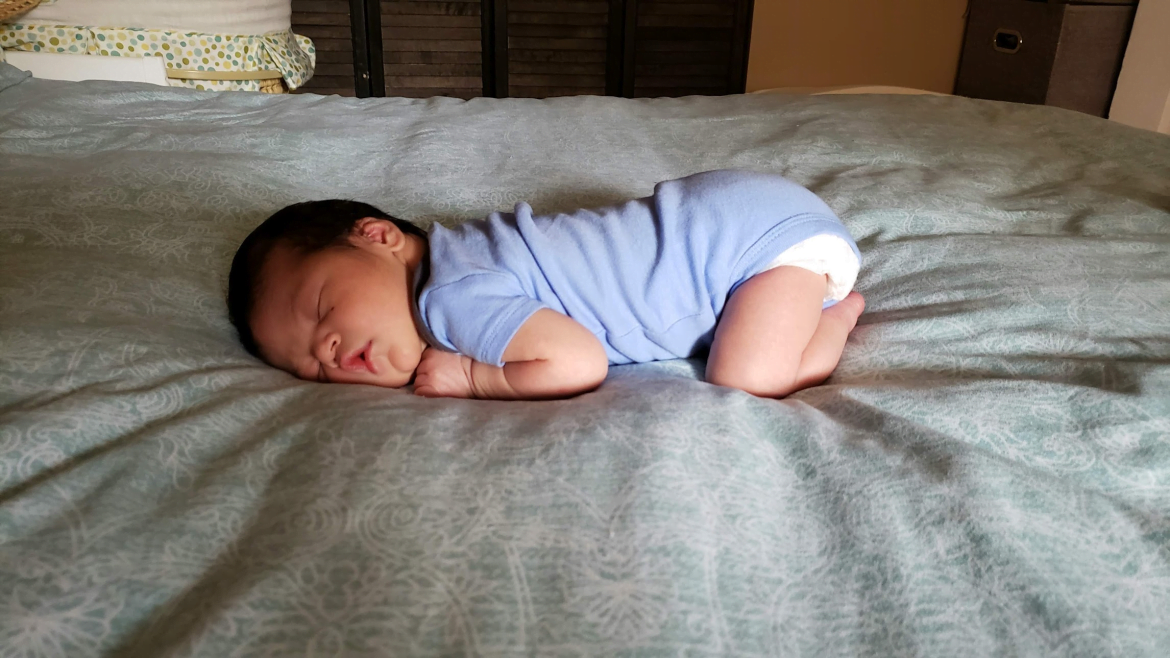
When Benji was born, I felt again the indescribable emotion that I felt four years earlier when I saw Luciana for the first time and that I judge is only felt when witnessing the birth of a child, because it is something that I have not experienced since then either.After Sophia cleaned the vernix, measured, and performed other standard procedures on the newborn, I held him in my arms for the first time.Somehow I felt how different from Luciana and similar to me her essence was.Then I checked his left leg and to my surprise, I found a birthmark there;although to be honest, it was a few centimeters higher and was less intense than what I saw in my tobacco mink.
A few years earlier, I would have judged such confirmation as irrefutable proof of a shaman's supernatural abilities, but with my first male child in my arms, I felt something different.A spot on the skin, not uncommon in a newborn, did not seem to have any relevance in the context of the intention I gave to the tobacco the day before, furthermore, if there was anything in my vision that afternoon it was spots, although only one on what I interpreted as the baby's skin.Benjamin's arrival shortly after the tobacco offering could be more directly attributed to my prayer, but at the same time, we were within the days that were considered normal for birth and perhaps my mother's long walks had a greater impact on stimulating labor than my well-intentioned ancestral fumarole.
With which I called attention to the correctness of my singular prophecy, but without boasting or giving it any significance.On the other hand, it seemed very significant to me that, with my new son in my arms, I became aware that a new way of seeing life had been born in me, distant from the magical thinking that I had treasured for so many years and that, even so, I did not want to get rid of completely.Maybe there would be a middle ground.
My arrival at this new way of thinking was not fortuitous, but rather the outcome of a series of events that were triggered from the beginning of my anxiety crisis in Colombia.After all, much of the evil that gave rise to that torment was precisely the accumulation of magical beliefs and contradictory dogmas.Likewise, my healing began with a psychiatric diagnosis, with a scientific basis and was consolidated with psychological therapy, also based on scientific and non-esoteric methods.
Just as in 2009, yagé and esotericism freed me from the emptiness of my actions and gave purpose to my existence, between 2017 and 2019 it was science that freed me from an overload of magical thinking and beliefs that were harming me.During the two years I lived in Canada before Benjamin's arrival, I made a point of feeding my mind with knowledge that would return me to the vision of reality that I learned to love as a child through Carl Sagan's Cosmos series.
In fact, I began by revisiting that beautiful 1980 series, listening to the acoustic version of its thirteen episodes several times during my trips to and from the university or the office.Then books and audiobooks by other scientific popularizers such as Sean Carroll, Brian Greene and Yuval Noah Harari came into my hands and with them new worlds and perspectives opened up for me that I never before imagined possessing.
One of those authors, Sean Carroll, was precisely the one who showed me a possible way of seeing life, which would potentially allow me to build bridges between the spirituality that I loved and science and that I learned to love as a child, but that I did not cultivate or explore in my adulthood.It was poetic naturalism: a way of referring to the objective reality of the universe discovered and described through the sciences, using poetic and even mystical language.Such an approach allowed me to connect a worldview based on evidence and scientific methodology, with the human instinct to seek transcendence, purpose and meaning in everything around us.
I understood that this was precisely the “magic” that I found as a child in the teachings of Carl Sagan, since although his understanding of the world was radically skeptical and based on evidence, his interpretation of that reality was often poetic, grandiose and, I would venture to say, spiritual.I felt that it was possible to reconcile everything I experienced in the yagé, the word circles and so many fascinating moments with wonderful beings, with the acceptance of a reality where it is not possible to break any natural law, where there is no afterlife, no invisible beings, no magical formulas or the need to manipulate reality.After all, it was precisely my desire to control everything that was one of the causes of my most painful period of darkness.
The year 2020 began another wonderful event for our family: Ana María moved to Canada and from then on the family of five that we dreamed of years ago was completed.Now I had Paula, Ana María, Luciana, and Benjamin by my side, as well as our cat Yai, so we had to move to a bigger house, located near a nice forest, not far from our first house.
I was feeling better than ever and couldn't wait to lead my family through new adventures: we planned trips across Canada, more meetings with our friends, and perhaps soon it would be time to travel together to Colombia.The future was shining before us full of promise and we were ready to make the most of it, even though the news was increasingly talking about a strange virus from China that seemed to be spreading faster than expected.
[1] Colloquial term by which beatings are known in Colombia.